Change in Work
Uses and Trends
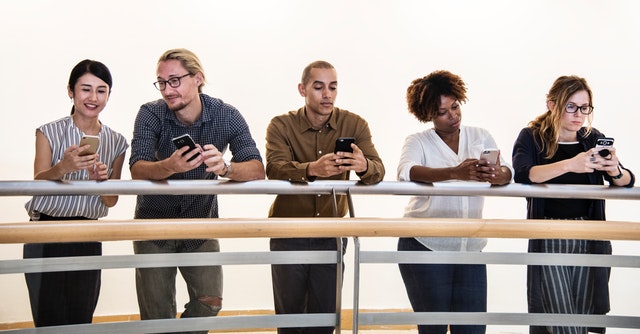
For today’s employees, social media use is a part of life. As recent statistics reveal, 81 percent of the U.S. population had social media accounts in 2017 – up nearly 20 percent from four years prior. Many of these social media users are balancing multiple different accounts at the same time. A Facebook-sponsored study found that the social network has created 4.5 million jobs around the world and added $227 billion to the global economy in 2014. Companies see the importance of using social media to connect with customers and build revenue. Businesses have realized they can use social media to generate insights, stimulate demand, and create targeted product offerings. Businesses use social media to attract new talent as well as potential clients. Many studies suggest implementing social networks within the workplace can strengthen knowledge sharing. The result is to improve project management activities and enable the spread of specialized knowledge. Fully implementing social technologies in the workplace removes boundaries, eliminates silos, and can raise interaction and help create more highly skilled and knowledgeable workers. Professional social networks such as LinkedIn are important social media platforms for anyone looking to stand out in their profession. They allow people to create and market a personal brand.
Impacts
Social media has had a profound impact on recruitment and hiring. 19 percent of hiring managers make their hiring decisions based on information found on social media. Therefore, making it important for a candidate to have an appropriate social media history and presence. What you share on social media can potentially be used against you. Similarly, wrong or misuse of social media can jeopardize a company’s reputation. Clients and customers can connect easily with people in power using social media to either show their appreciation or demanding for a change or better-quality product. While social media use boasts many benefits for employees at work space, it has also caused distractions for employees. According to a study by Nucleus Research; a company which allows its employees to use Facebook in the workplace loses 1.5% of its productivity. Instead of performing their work-related tasks, employees can get distracted and compulsively check Facebook or Twitter for status updates, photos, chat with friends or update their profiles.
Moving Forward

The emergence of social media analytics has proved to be a game changer. Companies are now poised to be able to garner better insights into their customer’s behavior and selectively target specific customer groups’ basis their preferences. Social media will continue to be a huge part of the word culture and even increase with the advancement in technologies. Companies will rely more on social media to promote and market their products instead of using the traditional ways. With social media usage becoming a norm, organizations will have to find a balance between allowable time to work and surf social media. This balance will become necessary to maintain progress and productivity. Prospective candidates will have to be increasing careful about what they post on social media to avoid any conflict of interest with employers.
 Impacts of Social Media